
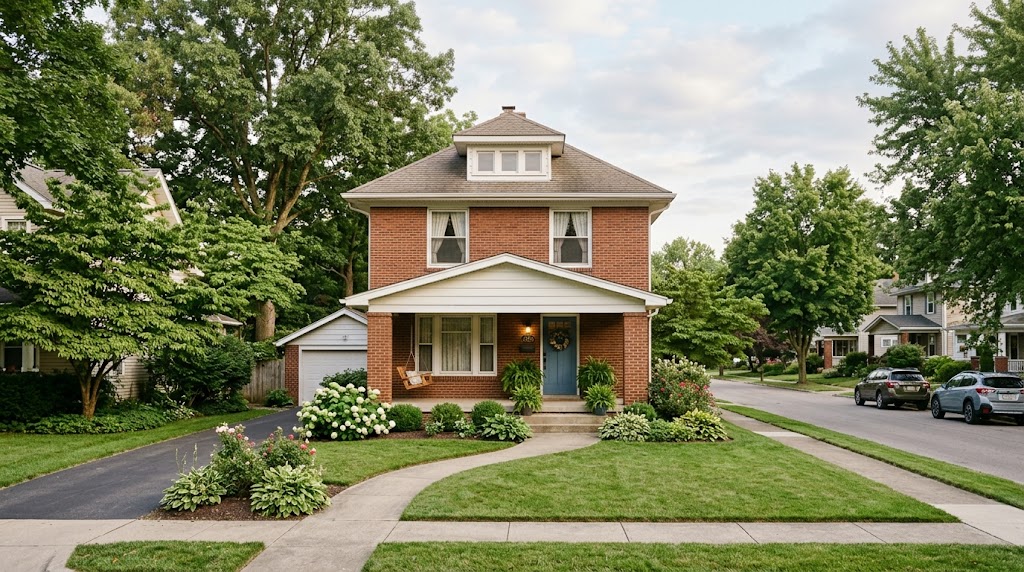
The Crisis Beneath the Surface: 50- to 100-Year-Old Lateral Infrastructure
In older metropolitan centers and historic boroughs, residential sewer laterals connecting building plumbing fixtures to public municipal main lines consist predominantly of vitrified clay pipe, unlined cast iron, or post-war bituminous fiber (Orangeburg) piping.
Over decades of soil movement and shifting hydraulic loads, bell-and-spigot joints offset, admitting tree roots that form dense internal root balls. Cast iron lines suffer from severe channel tuberculation, pitting, and sulfur gas corrosion along the pipe crown. For building owners and facility operators in dense urban areas, accessing verified master plumbers and licensed drainage engineers via specialized regional directories like NY Plumbing Network ensures compliance with local building codes, backwater valve mandates, and Department of Environmental Protection (DEP) street connection protocols.
Homeowners and property managers across the United States can also query the nationwide directory on Plumber800.com to discover participating sewer diagnostic and relining specialists serving their local postal codes.
The Engineering Mechanics of Cured-In-Place Pipe (CIPP) Lining
CIPP restoration operates under the rigorous engineering standards of ASTM F1216 (Standard Practice for Rehabilitation of Existing Pipelines and Conduits by the Inversion and Curing of a Resin-Impregnated Tube). The process replaces destructive surface excavation with a seamless structural rehabilitation:
- High-Pressure Hydro-Mechanical Preparation: The host pipe is cleaned using 4,000 PSI hydro-jetters with carbide milling cutters to scour rust descaling and root masses down to the bare pipe wall.
- Felt Tube Resin Impregnation (Wet-Out): A non-woven polyester needle-punched felt tube is vacuum-impregnated with a thermosetting epoxy or vinyl ester resin calibrated for municipal chemical resistance.
- Inversion & Ambient/Steam Curing: Using an air pressure inversion drum, the tube is inverted into the sewer line through a single exterior cleanout opening. Compressed air holds the tube flush against the host pipe while hot water, steam, or ambient thermal transfer cures the resin into a rock-hard composite "pipe-within-a-pipe."
Technical Decision Matrix: CIPP vs. Open-Trench Replacement
| Evaluation Criteria | Trenchless CIPP Lining | Traditional Open-Trench Dig |
|---|---|---|
| Property Surface Disruption | Zero surface destruction; works via existing cleanout. | Excavation through driveways, sidewalks, and established landscaping. |
| Installation Timeframe | Same-day completion (4 to 8 hours). | 2 to 5 working days plus restoration contractors. |
| Joint Resistance | 100% seamless monolithic liner; zero root entry points. | Coupled PVC segments with mechanical rubber gasket joints. |
| Limitation Factors | Requires structurally continuous host pipe (cannot bridge complete collapses). | Suitable for completely crushed or back-pitched pipelines. |
Frequent Main Sewer Clogs or Gurgling Toilets?
Schedule an optical fiber-optic CCTV camera inspection with verified participating contractors to inspect your line before undertaking costly excavation.
Learn More with Plumber800
Property owners navigating sewer lateral repairs can review our comprehensive Sewer Line Services Technical Guide, explore verified local master plumbers in the Contractors Directory, or review labor rates in the Plumber Hourly Rate Guide.